
Crossdressing and the Marriage You’re Protecting vs. the Self You’re Suppressing
By Jenn der Bentson
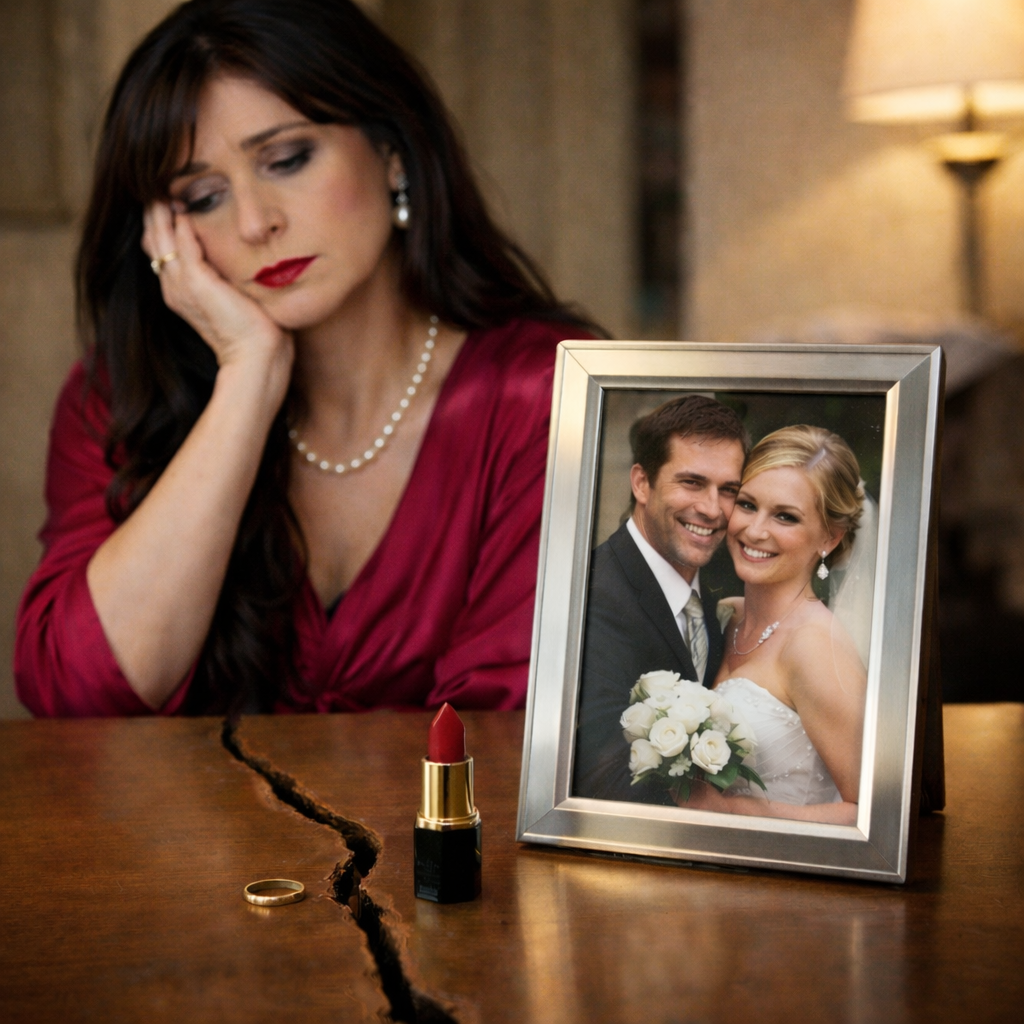 There’s a quiet struggle that many heterosexual crossdressers live with daily—a tension that rarely gets named outside the private corners of their minds. It’s the balancing act between protecting a marriage, family, or stable life and the urge to honor a deeply personal, authentic expression of self. For those who prioritize their loved ones’ emotional security over personal exploration, crossdressing often becomes an internalized secret, a hidden life that is at once thrilling, shameful, comforting, and isolating. It’s a paradox of care and sacrifice: protecting a marriage while suppressing the very aspects of self that crave recognition.
There is a lot to the emotional landscape, the long-term consequences, and the ways straight crossdressers navigate the divide between relational responsibility and personal authenticity.
The Hidden Reality of Heterosexual Crossdressing
Crossdressing is often portrayed in media as flamboyant, sexualized, or even purely performative. Rarely is it shown in the quiet, ordinary lives of straight men who love women, cherish their families, and don’t seek to challenge society’s gender expectations publicly. Yet, these men exist in large numbers, and their experiences highlight a reality that’s profoundly human: the desire to be fully oneself while also safeguarding the relationships that define daily life.
For these individuals, crossdressing is less about attention-seeking and more about personal alignment—a way to explore facets of their identity that have no outlet in a society that rewards conformity. But when they are married, or have children, or are embedded in tight-knit communities, crossdressing can feel like a betrayal. The fear isn’t always about infidelity; it’s about disrupting the perception of stability, introducing conflict, or creating discomfort for those they love.
This fear, often unspoken, shapes how these men engage with their feminine side. Many compartmentalize, dressing only when alone, or in the rare moments of privacy. The act becomes both a refuge and a source of stress—a paradoxical escape that can’t fully satisfy the need for visibility or acknowledgment.
The Marriage You’re Protecting
Marriage, for many heterosexual crossdressers, is a cornerstone of stability. It represents love, commitment, and the structure around which a life has been built. In a perfect world, one could bring their whole self into a relationship without fear. But the reality often involves negotiation, unspoken rules, or deliberate omission.
These men often place their partner’s emotional comfort above their own desires. They hide lingerie, carefully time moments of dressing, or downplay interest in fashion and makeup. There’s an implicit calculation: revealing too much, too soon, could strain trust, disrupt intimacy, or even end the marriage. The consequences feel high-stakes because they are.
It’s not uncommon for heterosexual crossdressers to describe their silence as a form of devotion—a protective layer over the relationship. They may see their spouse’s happiness, trust, or sense of normalcy as more important than expressing their full identity. This is often reinforced by societal messages about masculinity, fidelity, and the “proper” role of a husband and father. The act of suppression, then, becomes intertwined with care.
Yet, this care comes at a cost. Living inauthentically—even with the best intentions—can generate chronic stress, emotional fatigue, and a pervasive sense of invisibility. Over time, the sacrifices made in the name of love can evolve into resentment, anxiety, and self-doubt.
The Self You’re Suppressing
While the marriage benefits from this careful orchestration, the crossdresser’s inner world can feel trapped. The suppressed self is not just an urge to wear clothes deemed “feminine”—it is a full spectrum of identity that seeks expression, affirmation, and validation. Denying this self can feel like holding your breath for decades: sometimes manageable, often suffocating.
This inner life can manifest in small ways—a hidden drawer of lingerie, secret purchases online, or fleeting moments of private dressing. For some, these acts provide relief, but they rarely fulfill the need for public recognition or emotional acknowledgment. The suppressed self can start to feel like a shadow, always present yet never fully seen, whispering questions about authenticity and belonging.
The psychological consequences of long-term suppression are significant. Anxiety, hyper-vigilance, and feelings of shame can become daily companions. Crossdressers may internalize guilt, believing they are doing something wrong simply by existing as they are. In marriages where the topic is taboo, these feelings intensify because there is no outlet, no safe space to explore emotions openly.
Even more subtly, suppressing one’s authentic self can impact intimacy. Emotional connection requires vulnerability, and when a spouse is unknowingly keeping a fundamental part of themselves hidden, it can create a quiet distance. The result is a life where outward stability masks inner fragmentation—a constant negotiation between love and selfhood.
Fear, Secrecy, and Hyper-Vigilance
For many straight crossdressers, secrecy is a survival mechanism. The fear of being “found out” is more than just a fleeting worry; it shapes behavior, interactions, and self-perception. Men worry about discovery by spouses, children, coworkers, and friends, often imagining scenarios that escalate anxiety.
This hyper-vigilance manifests in practical ways. Clothing must be hidden, schedules carefully structured, and digital footprints erased. The act of crossdressing transforms from a personal exploration into a clandestine operation, fraught with the tension of potential exposure. The irony is painful: the desire for visibility and self-expression exists alongside a profound need for concealment.
Secrecy also affects mental health. Maintaining a double life requires constant energy and awareness, which can exacerbate stress, erode self-esteem, and even lead to depression. Crossdressers often describe feeling “seen by no one,” a paradoxical state of invisibility in which the world acknowledges only a partial self.
Negotiating Identity and Responsibility
Living authentically while honoring commitments is a tightrope act. Some men find ways to negotiate this balance, carefully introducing their spouse to aspects of crossdressing, often in a controlled, gradual way. Others compartmentalize indefinitely, choosing private satisfaction over relational disclosure.
The challenge lies in aligning identity with responsibility. For heterosexual crossdressers, family dynamics, societal expectations, and personal ethics intersect in ways that complicate self-expression. The decision to suppress one’s feminine side is rarely simple or purely voluntary—it is often a reluctant, conscientious choice shaped by love and fear.
Some couples reach a point of compromise, where certain aspects of crossdressing are accepted but remain private. Others struggle with unspoken tension, where the spouse senses but does not confront the secret. Either scenario requires ongoing negotiation, patience, and, often, grief for the parts of self that remain dormant.
Coping Mechanisms and Safe Outlets
While secrecy is common, it doesn’t have to mean complete isolation. Many crossdressers find ways to cope and sustain mental health while respecting family obligations. Private journaling, online support groups, or discreet communities can provide affirmation and reduce feelings of isolation.
Creative outlets also help: fashion design, makeup artistry, and artistic expression can channel feminine energy in safe and productive ways. Some crossdressers explore moments of private dressing during vacations or low-risk times, creating temporary spaces where the self can breathe. These strategies do not eliminate the tension, but they make it manageable.
Counseling, especially from professionals familiar with gender diversity, can also help. Therapy offers a space to reconcile internal conflict, explore guilt and shame, and develop strategies for negotiating authenticity alongside responsibility. Couples counseling, when appropriate, can assist spouses in understanding the depth of identity without feeling threatened or betrayed.
The Emotional Cost of Suppression
Suppressing one’s authentic self carries more than immediate psychological strain—it can have long-term consequences. Men often describe feeling “stuck,” unable to explore personal identity while simultaneously committed to preserving relational stability. Over time, this internal conflict can erode joy, intimacy, and even physical health.
The suppressed self can manifest in subtle ways: irritability, emotional withdrawal, diminished sexual intimacy, or a persistent sense of incompleteness. Crossdressers may avoid situations that highlight gender expression, missing out on personal growth and connection. The emotional toll is compounded by societal messages that frame femininity in men as deviant or unacceptable, reinforcing shame and secrecy.
Yet, for many, the alternative—open expression at the potential cost of marriage or family—feels more threatening than ongoing suppression. The choice is rarely about freedom versus conformity; it is about survival, care, and the careful weighing of risks.
When Suppression Becomes Unsustainable
While many men navigate decades of private crossdressing successfully, there comes a point when suppression may become unsustainable. A midlife crisis, a change in marital dynamics, or new societal openness around gender identity can prompt reevaluation. At these junctures, the hidden self may demand visibility, sometimes leading to disclosure, separation, or the pursuit of new ways to live authentically.
Disclosure can be fraught with risk, but it can also be liberating. For some, revealing a long-hidden aspect of self allows for renewed intimacy, authenticity, and relief from decades of secrecy. For others, it triggers conflict or loss, which must be navigated with care. The path forward is deeply personal and rarely linear, requiring courage, planning, and sometimes professional guidance.
Ultimately, the tension between protecting a marriage and honoring the self is not a question of right or wrong—it is a deeply human negotiation. Many heterosexual crossdressers approach this balance with extraordinary care, weighing emotional, familial, and social responsibilities alongside personal fulfillment.
The key is acknowledging the cost of suppression and actively seeking ways to honor identity, even within constraints. Small steps—moments of private expression, safe community engagement, and reflection—can maintain emotional health. Open communication with partners, when possible, allows for negotiated authenticity that strengthens rather than undermines relationships.
Self-compassion is essential. Suppressing a fundamental aspect of identity is not a moral failing; it is often an act of love and prudence. Recognizing the courage required to navigate this duality can reframe feelings of shame, guilt, or fear into acknowledgment of resilience and care.
The Invisible Tightrope
Living as a heterosexual crossdresser within a marriage or family is a tightrope walk between two worlds. On one side lies the life built on stability, love, and responsibility; on the other lies a self that longs for expression, validation, and authenticity. The paradox is that protecting one often means sacrificing the other—a reality few outsiders see or understand.
Yet, in this tension lies a profound testament to human complexity. Men who crossdress in silence are not simply hiding; they are negotiating care, identity, and risk, often without role models or societal acknowledgment. Their lives illustrate a subtle truth: authenticity and love are not always mutually exclusive, but they require navigation, creativity, and courage.
Acknowledging the struggle, giving space for self-reflection, and finding safe outlets for expression are crucial for emotional well-being. Whether through private exploration, discreet community engagement, or selective disclosure, it is possible to honor both the marriage you protect and the self you’ve suppressed. The journey is rarely easy, but it is profoundly human—and it deserves compassion, recognition, and respect.
Hello.
Thank you so much for this thoughtful and compassionate article that describes my situation so well.
I have crossdressed on and off for well over 50 years and finally told my wife about 15 years ago. After the initial shock (“are you gay?”), she seemed to accept it to a decent degree.
However, since about 10 years ago, it has become a “don’t ask, don’t tell” issue.
CrossdresserHeaven and lately this site have been helping me to navigate my situation.
Thank you again.