
Aging as a Crossdresser: Fear of Being ‘Too Old’ or ‘Too Obvious
By Jenn der Bentson
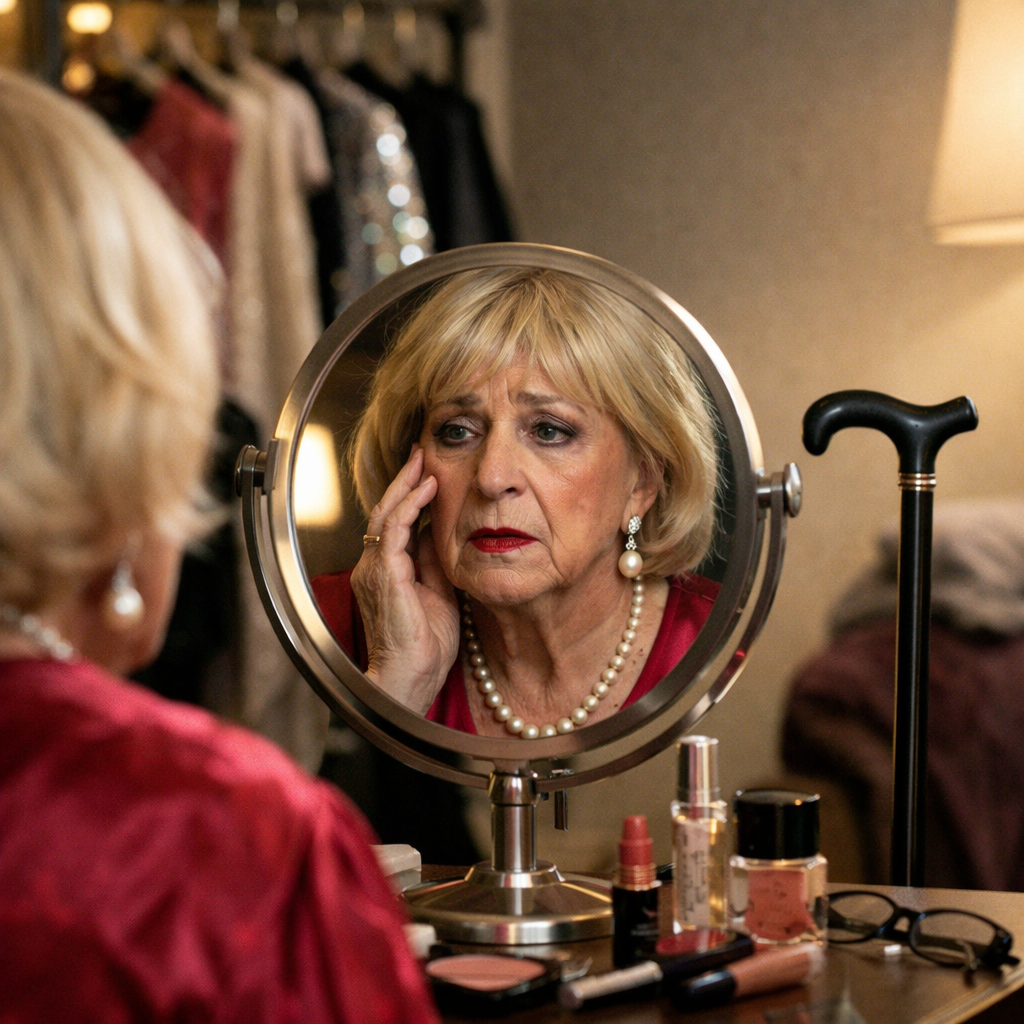
Cross-dressing is often viewed through the lens of youth: the lithe body, glossy hair, and playful experimentation. For many heterosexual men who cross-dress, these societal expectations create a subtle but persistent anxiety about aging. As the years pass, bodies change, appearances shift, and the mirror becomes both a friend and a critic. The experience of aging as a crossdresser is unique, layered with concerns about visibility, desirability, and authenticity. Yet, with time and reflection, it can also become a journey of self-acceptance and deeper understanding.
There are nuanced challenges for heterosexual crossdressers as they age, the psychological and social factors that amplify fear of being “too old” or “too obvious,” and how embracing change can transform the cross-dressing experience into something richer and more fulfilling.
The Societal Lens on Cross-Dressing and Age
For many heterosexual men who cross-dress, the first hurdle is societal perception. Media portrayals and popular culture often present cross-dressers as either youthful, glamorous women or comedic figures in costume. Rarely do we see depictions of middle-aged or older men who embrace femininity as part of their everyday identity. This invisibility can create the feeling that cross-dressing is a privilege of youth.
“Once you hit your forties or fifties, the assumption is that you should stop,” says one long-time crossdresser. “Society doesn’t often imagine older men in heels or lipstick, so you start questioning whether it’s still appropriate—or even believable.”
This perception is reinforced by the natural physical changes that accompany aging. Hair grays, skin loses elasticity, and body composition shifts. The once smooth and tight features that could be contoured into a convincing feminine appearance may soften, sag, or simply resist transformation. While these changes are entirely normal, they can feel like a direct challenge to the crossdresser’s craft, particularly for those who have long relied on youthful aesthetics to feel comfortable presenting in public or in private.
The “Too Obvious” Anxiety
Alongside aging, crossdressers often wrestle with a second fear: appearing “too obvious.” This is a complex concern rooted in both self-perception and social judgment. Many heterosexual crossdressers tie their self-esteem and identity closely to the ability to blend or pass convincingly as feminine. They may fear that aging features—wrinkles, receding hairlines, or thicker hands—will betray the illusion, making them seem less authentic or more conspicuous.
This anxiety affects daily decisions and self-expression. Clothing choices may become more strategic as garments that once fit perfectly now highlight aspects of aging the wearer wishes to minimize. Makeup and hair routines often require more time, effort, or skill, turning dressing into a meticulous performance rather than a joyful practice. Social interactions can also provoke tension. Older crossdressers may hesitate to attend events or gatherings where they feel scrutinized, even in supportive communities. Ultimately, the fear of being “too obvious” is about identity: the anxiety that one’s inner self might be misread or dismissed, especially after years of carefully curated presentation.
Physical Changes and Their Impact
Aging affects more than just the face and hair—it reshapes the entire body. Muscle mass decreases, fat redistributes, and postural changes may subtly alter how one moves. For crossdressers, these changes impact not only aesthetics but the very way femininity is expressed through clothing, movement, and gesture. Skirts and dresses may drape differently, and heels or fitted outfits may require more balance and confidence to wear gracefully. Skin texture, with wrinkles, age spots, and loss of elasticity, can complicate makeup techniques that once seemed effortless.
Despite these challenges, some crossdressers find that aging also brings unexpected benefits. With maturity often comes greater self-assurance, a willingness to experiment with style, and a refined understanding of what feels feminine or satisfying. While youth offers external illusion, age frequently provides a form of internal authenticity that can be deeply liberating. The body may change, but the capacity for expression and joy often deepens.
Psychological Dimensions: Shame, Desire, and Acceptance
Heterosexual crossdressers navigating aging face complex psychological terrain. Many have internalized cultural messages that equate femininity with youth, sexual appeal, or fantasy. When the body inevitably ages, desire for expression may clash with fear of judgment, creating feelings of shame or guilt.
However, these feelings are not static. Over time, many crossdressers report evolving relationships with their bodies and identities. Aging often encourages a broader understanding of femininity—not solely as youthful beauty, but as elegance, confidence, and presence. It also reframes performance: instead of striving for perfection, older crossdressers often focus on authenticity and comfort, embracing styles that highlight personal strengths rather than hide perceived flaws. Emotional resilience typically grows as well. With life experience comes improved coping strategies for anxiety, rejection, or embarrassment. Cross-dressing can shift from a secretive, risky act into a deliberate, fulfilling practice, rich with personal meaning.
The Social Context: Community and Isolation
Supportive communities play a pivotal role in mitigating fears associated with aging and visibility. Online forums, local meetups, and social networks for crossdressers provide spaces to share experiences, exchange advice, and receive validation. These communities counteract the societal invisibility of older crossdressers and offer a sense of belonging.
Isolation, conversely, can amplify anxiety. Older crossdressers often feel pressure to hide their practice from family, friends, or romantic partners, increasing shame and stress. Heterosexual crossdressers, in particular, may face stigma regarding sexual orientation assumptions, complicating self-expression further. Yet connection is possible at any age. Engaging with peers, attending cross-dressing events, or participating in online fashion challenges can foster confidence and reinforce the understanding that age does not diminish legitimacy. Many older crossdressers even become mentors or role models for younger individuals navigating similar challenges.
Coping with Aging in Cross-Dressing
As bodies and social contexts evolve, crossdressers develop strategies to navigate aging gracefully. Adapting clothing to changing body shapes is one key approach. Rather than clinging to styles that once fit perfectly, many older crossdressers experiment with new silhouettes that flatter the changing body, discovering wraps, tailored blouses, and high-waisted skirts that feel both elegant and comfortable. Hair and skincare routines take on new significance, as protective and enhancing practices can offset the visible signs of aging, and wigs or haircuts help maintain confidence in appearance.
Movement and posture are equally important. Strengthening the core, improving balance, and incorporating activities like yoga, pilates, or dance can enhance comfort and elegance when wearing heels or feminine clothing. Emotional resilience, cultivated through therapy, support groups, or mindfulness, is crucial to overcoming shame or anxiety. Cross-dressing becomes less about perfection and more about self-expression, joy, and the celebration of identity. Even small milestones—dressing up for a quiet night, a friend’s party, or a private photoshoot—can reinforce satisfaction and pride in one’s practice.
Redefining Success as a Crossdresser
For older heterosexual crossdressers, redefining success is often transformative. Cultural narratives frequently equate successful cross-dressing with youth, sexual allure, or passing convincingly. With age, these measures may lose relevance, and success becomes less about illusion and more about authenticity, comfort, and personal fulfillment. Feeling genuine in one’s presentation, wearing outfits that bring joy, and connecting with supportive communities often matter far more than external approval.
This reframing marks a profound shift. Cross-dressing can transition from secretive, anxiety-driven activity into a mindful, joyful practice. Age, far from being a limitation, becomes a tool for refined expression and deeper self-understanding. Experience, composure, and awareness contribute to a presentation style that is elegant, grounded, and uniquely personal.
Many older crossdressers describe turning points in their journey, moments when they embraced their identity despite age-related changes.
These experiences highlight that the intersection of aging and cross-dressing can foster growth, resilience, and self-expression. The challenges of time and societal expectation encourage introspection, creativity, and liberation, allowing crossdressers to evolve into fuller, more confident versions of themselves.
Aging as a crossdresser is not a limitation—it is a continuum. Each stage offers opportunities to refine technique, explore new facets of femininity, and deepen self-knowledge. Fear of being “too old” or “too obvious” often stems from internalized societal messages rather than actual restrictions on appearance or expression. Recognizing this distinction is key to cultivating self-acceptance.
Flexibility, authenticity, experience, and self-love become central to navigating aging. Adapting style and approach is an expression of creativity and resilience, while subtlety and elegance replace the need for perfection. Wisdom and composure enhance confidence and presentation, and accepting aging features allows crossdressers to embrace identity with pride. The journey of aging invites crossdressers to reflect: what do I truly want to express, and how can I honor that, regardless of societal expectations?
Aging brings inevitable changes to the body, perception, and self-image, yet for heterosexual crossdressers, these changes can open doors to greater self-acceptance and fulfillment. The fears of being “too old” or “too obvious” are natural but can be transformed into confidence, creativity, and joy. By embracing authenticity, refining style, and connecting with supportive communities, older crossdressers discover that beauty, self-expression, and confidence deepen over time.
Cross-dressing is not a phase that fades with age—it is a journey that evolves. Aging is not a limitation but a lens through which the richness of identity, experience, and self-expression becomes more vivid. True beauty and empowerment do not expire; they grow, flourish, and endure, proving that joy and confidence in cross-dressing have no age limit.
A lovely, perceptive and compassionate article that explains how age changes us all. As I approach the age of 70, my crossdressing is more and more about finding peace and joy when I am able to. Thank you.