
Beyond the Closet: How Couples Navigate Public vs. Private Crossdressing Together
Jenn der Bentson
 Crossdressing has always existed on a spectrum—from intimate private moments to public presentation that can command attention. For couples, navigating this spectrum together introduces a layered set of challenges and opportunities, especially when one partner embraces feminine expression more openly than before. The decision to move beyond private dressing into semi-private, social, or even public spaces can be exciting, frightening, and transformative all at once. Each step carries its own set of emotions, fears, and negotiations, and learning to approach these experiences as a team is essential.
At its core, crossdressing in private is often about exploration, self-expression, and safety. It allows the crossdresser to experiment with presentation, makeup, clothing, and movement without the stress of external judgment. For the partner, witnessing or participating in these moments often sparks curiosity, admiration, and sometimes sexual or emotional intimacy. These private spaces form the foundation for trust, communication, and mutual enjoyment—elements that become critical as couples contemplate more public experiences.
Yet most couples eventually encounter the question: “How far do we want to take this?” Some may only feel comfortable behind closed doors, while others are drawn to semi-private social settings, traveling en femme, or fully public experiences. Each level requires negotiation, boundary-setting, and confidence-building. Understanding the practical and emotional elements of each stage can make the journey smoother and more enjoyable for both partners.
Private Spaces: The Foundation of Exploration
Private dressing is typically the first stage of a couple’s journey with crossdressing. This is the space where the crossdresser can try on clothes, practice makeup, explore movement, and experiment with presentation without external pressure. The partner’s role in these private moments is crucial, providing support, affirmation, and sometimes participation in the creative process. Couples often report that private dressing strengthens intimacy, allowing playful teasing, mutual discovery, and even erotic exploration.
Within private spaces, couples also have the opportunity to discuss boundaries, expectations, and emotional responses. Conversations about what feels safe, desirable, and fun lay the groundwork for later stages. For instance, a crossdresser may express curiosity about going out socially but also admit to fears of judgment or exposure. The partner’s role in listening, validating, and brainstorming practical solutions helps transform fear into manageable, shared anticipation.
Confidence is built gradually in these private settings. Rehearsing outfits, walking in heels, or practicing speech and gestures allows the crossdresser to internalize femininity comfortably. The partner can provide honest feedback, encouragement, and emotional reinforcement. These moments of private play are not just rehearsal—they are relational bonding experiences that deepen intimacy and trust.
Semi-Private Experiences: Friends, Events, and Community
After establishing comfort in private, some couples choose to explore semi-private or controlled social settings. This can include gatherings with close friends who are supportive, themed parties, cosplay or drag events, or specialized meetups for crossdressers and allies. These environments allow the crossdresser to experience expression in a social context while still benefiting from the protective buffer of familiar faces or limited exposure.
Couples often describe mixed emotions at this stage. Excitement competes with anxiety. The thrill of visibility is tempered by lingering fears about judgment, gossip, or misinterpretation. Partners frequently act as emotional anchors, offering reassurance, assisting with practical concerns (like clothing adjustments or timing), and helping navigate social cues.
Negotiating boundaries becomes particularly important in semi-private settings. Couples need to clarify what feels comfortable in terms of behavior, conversation, and physical presentation. For example, some crossdressers may want to socialize fully in feminine attire, while others prefer to maintain certain limitations, such as avoiding direct attention or only participating in structured activities. Open communication ensures that both partners feel safe and respected.
Safety also plays a practical role. Even in friendly environments, awareness of surroundings and social dynamics is critical. Couples may discuss strategies for discreet exits, supportive signals, or agreed-upon methods of responding to unwanted attention. This practical layer reduces anxiety and empowers both partners to enjoy the experience more fully.
Public Outings: Building Confidence Together
Stepping into fully public spaces en femme—whether for a casual coffee, shopping, dining, or simply walking in a neighborhood—represents a significant leap. Public exposure intensifies the potential for judgment, curiosity, or outright confrontation. At the same time, these experiences can be exhilarating, validating, and deeply affirming. Many crossdressers report that successfully navigating public spaces strengthens self-confidence, personal identity, and overall relational connection.
For couples, public outings require careful preparation and mutual agreement. Planning can include outfit choices, timing, transportation, location scouting, and establishing safety protocols.
Discussing “what-if” scenarios—such as encountering strangers who stare, make comments, or otherwise react unexpectedly—helps reduce anxiety and equips both partners with strategies to handle discomfort gracefully.
Emotional support during public experiences is crucial. Partners often find themselves acting as shields, sounding boards, or motivators, providing reassurance when nerves rise. For example, a crossdresser may feel hesitant to enter a busy café, but the partner’s encouragement, hand-holding, and calm presence can help them navigate the situation successfully. These shared experiences often deepen trust and emotional intimacy, transforming potential stress into relational growth.
The psychological payoff of public presentation is substantial. Confidence grows not only through repeated exposure but also through the partner’s visible support. Affirmation in public—whether through physical gestures, compliments, or social solidarity—reinforces the sense of being seen and appreciated, both as a partner and as a crossdresser. This validation often strengthens erotic, emotional, and identity dimensions, enriching the overall relationship.
Traveling En Femme: Extending the Boundaries
For some couples, public outings evolve into traveling en femme—exploring new cities, attending festivals, or even going on vacation where the crossdresser’s presentation becomes an integral part of the experience. Traveling adds layers of excitement, adventure, and relational negotiation. It also amplifies challenges, as couples encounter unfamiliar environments, cultural differences, and extended exposure.
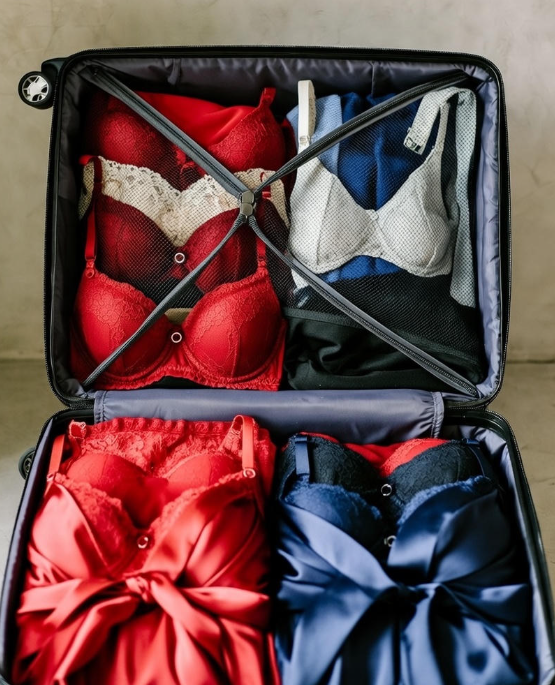
Preparation is key. Practical considerations such as packing clothing, accessories, and personal items, selecting accommodations that are safe and comfortable, and planning logistics all play a role. Emotional preparation is equally important: acknowledging fears, discussing expectations, and establishing check-ins during travel can prevent tension and reinforce partnership.
Traveling en femme often intensifies relational dynamics. Couples may discover new strengths in communication, adaptability, and mutual support. They may also encounter moments of vulnerability or fear, providing opportunities for growth and deeper connection. Successful experiences build confidence not only in the crossdresser’s presentation but also in the couple’s ability to navigate challenges together. The shared adventure can enhance intimacy, trust, and mutual admiration in ways that are hard to replicate in private or semi-private contexts.
Navigating Public Perception: Fear, Boundaries, and Empowerment
One of the most sensitive aspects of public crossdressing is managing perception. Crossdressers and their partners must contend with social norms, cultural expectations, and potential reactions from strangers. Fear of judgment, discrimination, or harassment is real, and acknowledging these concerns is essential. Partners often find themselves negotiating a balance between self-expression and safety, authenticity and discretion.
Boundaries play a central role in this navigation. Couples may decide together which environments are suitable for public presentation, how to respond to curiosity or confrontation, and what signals indicate comfort or discomfort. Some couples adopt subtle codes, such as pre-agreed gestures or phrases, to communicate quickly and discreetly. Others engage in gradual exposure, starting with low-stakes environments and slowly increasing visibility as confidence grows.
Empowerment emerges when couples successfully navigate these boundaries. Confidence is not only about clothing, makeup, or presentation; it is about relational cohesion, self-assurance, and mastery of context. When a crossdresser feels supported and safe, public presentation becomes a source of joy and affirmation rather than anxiety. The partner’s role is pivotal in fostering this sense of empowerment, offering encouragement, reassurance, and active participation in the experience.
Navigating public perception also highlights the importance of mutual respect and attunement. Partners must be sensitive to emotional cues, energy levels, and fatigue. Public experiences are not contests; they are shared journeys. Couples who approach them as collaborative endeavors often find the experiences deeply bonding, reinforcing both erotic attraction and emotional intimacy.
Teamwork: The Relational Core of Public and Private Expression
Across all stages—private, semi-private, public, or travel—the relational core remains central. Couples who thrive in navigating crossdressing experiences do so through teamwork, communication, and mutual respect. Each partner’s emotional, physical, and psychological needs are acknowledged and integrated into the decision-making process.
Teamwork often begins with small, daily practices: practicing outfits together, giving feedback on presentation, or discussing emotional reactions. These seemingly minor interactions build trust and set the stage for larger-scale experiences. The more couples practice collaboration, the more resilient and adaptive they become when confronting public exposure, social scrutiny, or extended travel.
Mutual negotiation is key. For example, one partner may feel ready for public exposure, while the other needs more time. Rather than dismissing or pressuring, successful couples engage in open dialogue, exploring fears, desires, and strategies. They may adopt a phased approach, gradually increasing comfort levels while preserving safety and emotional well-being. This process reinforces the sense of shared purpose and strengthens the partnership, ensuring that crossdressing experiences enhance rather than strain the relationship.
Fears, Rewards, and Growth
Every couple navigating crossdressing experiences encounters fear. Fear of judgment, fear of rejection, fear of embarrassment, or fear of social consequences are all natural. The key is not to eliminate fear entirely, but to acknowledge it and create structures that allow exploration despite it.
The rewards of navigating these stages together are substantial. Couples often report heightened intimacy, deeper trust, and a stronger sense of partnership. Emotional bonds grow as vulnerability is shared and accepted. Erotic energy often intensifies, fueled by playfulness, novelty, and affirmation. Identity expression becomes more fluid and authentic, enriching both partners’ sense of self and relational satisfaction.
Growth is cumulative. Each private, semi-private, and public experience builds on the last, expanding confidence, deepening intimacy, and reinforcing the couple’s ability to navigate complexity together. Crossdressing becomes not merely a form of self-expression, but a medium for relational development, trust-building, and erotic expansion.
Crossing the Threshold Together
Crossdressing within a relationship is not just about clothing or appearance; it is about trust, exploration, and shared adventure. Moving beyond private spaces into semi-private and public experiences requires careful negotiation, emotional support, and practical preparation. Fears and boundaries are natural, and acknowledging them strengthens, rather than weakens, the partnership.
Couples who approach public and private crossdressing as a collaborative journey discover that intimacy, desire, and identity are intertwined in unique ways. Shared experiences foster trust, deepen emotional bonds, enhance erotic play, and encourage authentic self-expression. Each stage—from private dressing to public outings or travel—is an opportunity to build confidence, explore identity, and strengthen connection. In navigating the spectrum of exposure together, couples often find joy, liberation, and a profound sense of partnership.
Ultimately, the journey beyond the closet is about embracing complexity, celebrating authenticity, and supporting one another at every step. When couples approach crossdressing as a team—communicating openly, negotiating boundaries, and celebrating successes—they transform what might seem risky or intimidating into a pathway toward deeper intimacy, shared adventure, and enduring love. Public and private spaces are not barriers—they are stages upon which couples can explore, express, and evolve together, enriching both the relationship and each partner’s sense of self.
Comments
Beyond the Closet: How Couples Navigate Public vs. Private Crossdressing Together — No Comments
HTML tags allowed in your comment: <a href="" title=""> <abbr title=""> <acronym title=""> <b> <blockquote cite=""> <cite> <code> <del datetime=""> <em> <i> <q cite=""> <s> <strike> <strong>