
Crossdressing as Escape: Relief, Reflection, and the Line Between Healing and Hiding
By Jenn der Bentson
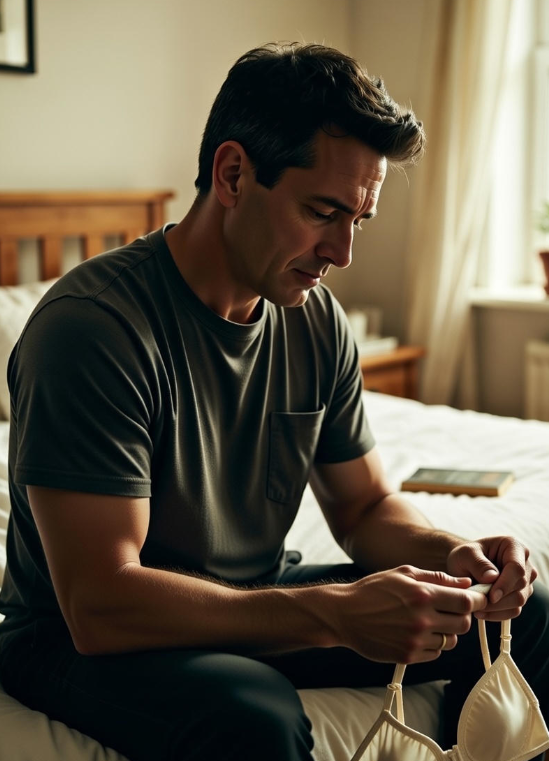 For men who crossdress, it is not simply about clothes. It is not only about lace or heels, makeup or wigs, or the quiet thrill of seeing a different reflection in the mirror. For some, there is more to it. At its core, crossdressing can be about escape—the temporary relief of stepping out of a role that feels heavy, constricting, or incomplete, and into something softer, freer, or more authentic. Sometimes that escape is healthy and restorative. Sometimes it quietly becomes a way to avoid deeper issues that still need attention.
Like most deeply personal practices, crossdressing exists on a spectrum. It can be joy, release, exploration, play, self-discovery, self-care, or even spiritual grounding. It can also, if left unexamined, become a hiding place—one that delays difficult conversations, emotional work, or life changes that are waiting patiently in the background.
Understanding this dual nature doesn’t diminish crossdressing. In fact, it honors it. It treats it with the seriousness and respect it deserves.
The Weight of Being “Him”
Many men who crossdress carry an unspoken exhaustion. Society still hands boys and men a narrow script: be strong, be decisive, be rational, be stoic, be productive, be in control. Vulnerability is often tolerated only in carefully rationed doses. Gentleness can feel suspicious. Beauty, adornment, and emotional expressiveness are frequently coded as “not for you.”
Over time, living inside that script can feel like wearing armor that never comes off. Even when life looks successful from the outside—career, marriage, family, responsibility—there may be an internal sense of confinement. The role of “him” becomes something performed rather than lived.
Crossdressing, in this context, offers an escape hatch.
When a man steps into feminine clothing, he often steps out of expectations. He is no longer required to be stoic. He can be soft. He can be receptive instead of assertive. He can admire himself rather than measure himself. He can feel beautiful without apology.
For a few hours—or even a few minutes, even just alone by himself—the pressure lifts.
That relief can feel profound.
Becoming Someone Else (Even If She’s Still You)
One of the most powerful aspects of crossdressing as escape is the feeling of becoming someone else. Many men describe their feminine selves as calmer, more emotionally open, more confident in a different way, or more connected to their inner world.
This isn’t necessarily about rejecting masculinity. Often, it’s about resting from it.
The feminine presentation becomes a parallel identity—sometimes named, sometimes imagined as a character, sometimes simply felt. She may move differently. She may speak differently, even if only internally. She may allow thoughts and emotions that “he” keeps locked away.
This temporary shift can feel like a vacation from the self that is always on duty.
And that can be incredibly healthy.
Just as people escape into books, music, travel, or meditation, crossdressing can provide a mental and emotional reset. It can soothe anxiety, lower stress, and offer a safe container for self-expression. For men who have spent years suppressing parts of themselves, it can be the only place they feel fully present and alive.
The Good Side of Escapism
Escapism is often spoken of as a negative thing, but that’s only part of the story. In moderation, escapism is how humans cope, survive, and restore themselves.
Crossdressing as escape can be good when it:
- Provides emotional regulation. Dressing allows some men to decompress after stressful workweeks or emotionally demanding roles.
- Creates a sense of safety. In private or affirming spaces, crossdressing can feel like the only place where nothing is demanded.
- Encourages self-acceptance. Seeing oneself differently can soften harsh self-judgment and build compassion.
- Allows exploration without permanence. Not every man who crossdresses wants to transition or radically change his life. Escape can be enough.
- Offers joy and play. There is nothing trivial about joy. Pleasure and delight are legitimate human needs.
For men who grew up feeling wrong for wanting softness or beauty, these moments of escape can be healing. They offer proof that another way of being is possible—even if only temporarily.
When Escape Becomes Avoidance
However, escape has a shadow side.
Problems arise not because a man crossdresses, but because crossdressing becomes the only place where emotional needs are met. When the feminine self becomes a refuge from everything difficult, unresolved issues can quietly pile up.
This can show up in subtle ways:
- Avoiding communication. Instead of talking to a partner about dissatisfaction, loneliness, or unmet needs, dressing becomes the only outlet.
- Ignoring mental health struggles. Anxiety, depression, or burnout may be masked by the temporary relief of dressing, without being addressed directly.
- Living a split life. The sharper the divide between “him” and “her,” the harder it can be to feel integrated and whole.
- Escalating secrecy and shame. When crossdressing is used to avoid rather than process emotions, secrecy often deepens, reinforcing guilt.
- Feeling empty afterward. The post-dressing crash—sadness, irritability, or longing—can intensify if the escape highlights what’s missing in everyday life.
In these cases, crossdressing isn’t the problem. It’s the signal.
It’s pointing toward something that needs attention: emotional neglect, unexpressed identity needs, relationship strain, or a life that feels misaligned.
The “After” Feeling
Many men describe a bittersweet feeling after they change back. The clothes go into drawers. Makeup is wiped away. The mirror returns to a familiar face. The world of responsibility rushes back in.
Sometimes this transition is gentle. Other times, it’s painful.
The contrast can make everyday life feel dull, heavy, or even false. This is where reflection becomes important. The question isn’t, “Why do I want to escape?” but rather, “What does this version of me have that the other one lacks?”
Is it permission to rest?
To feel?
To be seen?
To be beautiful?
To be vulnerable?
To be desired?
To be gentle?
These are not trivial wants. They are human needs.
Crossdressing may be the place where those needs surface most clearly.
Integration vs. Separation
One of the healthiest long-term approaches to crossdressing as escape is integration. This doesn’t mean dressing full-time or coming out publicly if that’s not desired. It means allowing the qualities expressed while dressed to inform everyday life.
Ask yourself:
- What emotional traits do I feel when I dress?
- How might I express those traits without clothes?
- What boundaries or expectations in my life prevent me from being that way more often?
For some men, integration means becoming more emotionally open with a partner. For others, it means redefining masculinity on their own terms. For some, it means acknowledging that crossdressing isn’t just a hobby but a meaningful part of their identity.
When the feminine self is treated as an enemy or a secret shame, escape becomes necessary. When she is acknowledged and respected, escape becomes optional.
Relationships and the Escape Dynamic
Crossdressing as escape often intersects with relationships—especially marriages or long-term partnerships. Many men discover or deepen their crossdressing during times of emotional distance, sexual mismatch, or life transitions.
Again, this doesn’t mean crossdressing causes relationship problems. Often, it highlights them.
If dressing becomes the only place where intimacy, excitement, or authenticity exist, that imbalance can grow. On the other hand, when partners are included—emotionally or practically—escape can turn into connection.
For those who cannot or choose not to share this part of themselves, it becomes even more important to find other healthy ways to process stress and emotion. No single outlet should carry the entire weight of one’s inner life.
Self-Honesty Without Self-Judgment
Perhaps the most important skill for navigating crossdressing as escape is self-honesty.
Not harsh interrogation. Not shame. Just curiosity.
Questions worth gently asking include:
- What am I escaping from when I dress?
- What am I escaping into?
- Do I feel more whole or more divided afterward?
- What needs am I meeting here that aren’t met elsewhere?
- What would it look like to address those needs directly?
These questions don’t demand immediate answers. They are meant to open a dialogue with yourself, not close one.
Crossdressing does not need to be justified or defended to be valid. But understanding why it matters to you gives it depth and sustainability.
Escape Isn’t Failure
It’s important to say this clearly: wanting to escape does not mean you are weak, broken, or immature.
Human beings seek relief. We seek altered states. We seek spaces where we can breathe.
For some men, crossdressing is that space.
The goal is not to eliminate escape, but to ensure it isn’t the only place where authenticity lives. When crossdressing becomes a conscious, chosen form of expression rather than a desperate refuge, it gains strength instead of secrecy.
A Place to Land, Not to Hide Forever
Crossdressing can be a sanctuary. A pause button. A mirror that reflects something long ignored. It can be deeply nurturing, even transformative.
But like any sanctuary, it works best when it’s a place to land, not a place to disappear into completely.
If dressing helps you survive difficult seasons, that is worth honoring. If it helps you understand yourself better, that is powerful. And if it reveals unmet needs, that is an invitation—not a failure.
You are allowed to step outside yourself for a while.
Just don’t forget to bring back what you learn.
Because the most meaningful escape isn’t the one that takes you away from your life—it’s the one that helps you return to it more whole than before.
Comments
Crossdressing as Escape: Relief, Reflection, and the Line Between Healing and Hiding — No Comments
HTML tags allowed in your comment: <a href="" title=""> <abbr title=""> <acronym title=""> <b> <blockquote cite=""> <cite> <code> <del datetime=""> <em> <i> <q cite=""> <s> <strike> <strong>