
The Art of Transformation: How Wives Can Help Crossdressers Explore Style and Identity
By Jenn der Bentson
 Crossdressing is far more than putting on clothes; it is a journey of self-expression, creativity, and identity exploration. For many men who crossdress, the act of transforming into a feminine persona allows them to explore aspects of themselves that remain hidden in daily life. While this journey can be deeply personal, it often becomes richer, more joyful, and more affirming when shared with a supportive partner. Wives, in particular, can play a transformative role, helping their partners explore new looks, experiment with personas, and embrace the playful and creative aspects of self-expression.
By approaching crossdressing as a collaborative activity rather than a private pursuit, couples can cultivate intimacy, trust, and mutual enjoyment. When a wife participates actively—through wardrobe selection, makeup application, hair styling, or creative planning—crossdressing becomes a shared art form, a space where both partners contribute to transformation and celebration. This dynamic not only enhances the crossdresser’s confidence but also strengthens the emotional and relational bonds within the partnership.
Wardrobe Experimentation: Pushing Boundaries Together
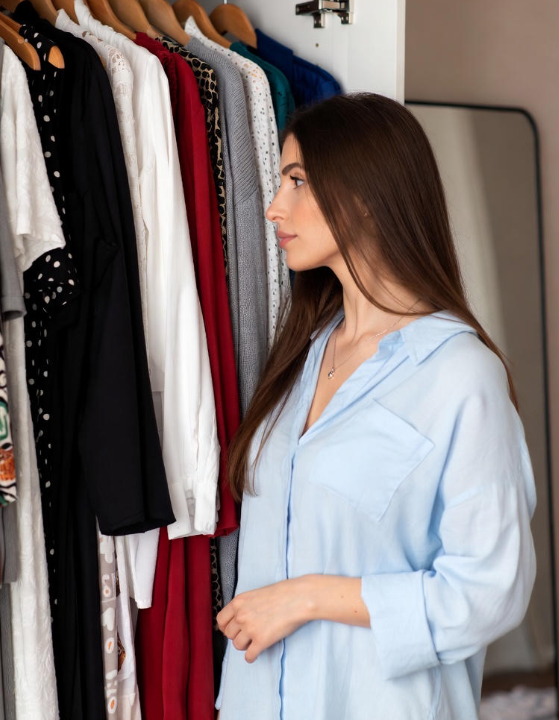
One of the most immediate and visible ways wives can help their partners explore style is through wardrobe experimentation. For many crossdressers, the process of choosing clothing is both exciting and intimidating. Wives can act as collaborators, encouraging their partners to step beyond familiar styles, try bold colors, and explore patterns or cuts they may not have considered.
Wardrobe experimentation can be approached in playful, low-pressure ways. A wife might suggest trying a brightly patterned blouse, a skirt in an unexpected hue, or a dress with a silhouette the crossdresser has never worn. The key is encouragement and curiosity rather than critique. By framing wardrobe exploration as an adventure, couples turn clothing into a medium for creativity, discovery, and mutual enjoyment.
The act of experimenting with different garments often sparks conversation and laughter. Couples may discover unexpected combinations that feel flattering, striking, or playful. In these moments, wardrobe selection is no longer a solitary activity—it becomes a collaborative art, where both partners contribute to the creation of an identity and the crafting of self-expression.
Wardrobe experimentation also opens the door to confidence-building. Trying new looks requires vulnerability, and the supportive presence of a partner reinforces trust and courage. Wives can provide validation, encouragement, and gentle nudges, helping their partners embrace styles that might initially feel intimidating but ultimately exhilarating.
Persona Creation: Developing Alter-Egos and Character-Inspired Looks
Beyond clothing, wives can help crossdressers explore personas—playful alter-egos or character-inspired identities that allow them to experiment with different facets of femininity. Persona creation adds a theatrical and imaginative element to crossdressing, encouraging self-expression that is both fun and emotionally resonant.
Personas can be simple or elaborate. A crossdresser might embody a classic Hollywood glamour persona for an evening at home, or take on a quirky, whimsical identity inspired by fantasy, literature, or fashion icons. The wife’s involvement in persona creation can be transformative, helping craft the narrative, style, and details that bring a character to life.
Developing personas encourages creative collaboration. Couples can brainstorm together, combining ideas from fashion, makeup, hair, and personality traits. This process strengthens communication and mutual understanding, as both partners negotiate and explore what feels authentic, playful, and exciting.
Personas also serve as a tool for emotional exploration. They allow crossdressers to inhabit different aspects of femininity, play with confidence, or embrace new behaviors in a safe and supportive environment. With a partner’s guidance, these alter-egos become more than costumes—they become extensions of identity, offering insight, affirmation, and liberation.
Makeup Experimentation: Artistry and Self-Expression
Makeup is a powerful tool for transformation, and wives can play an essential role in helping their partners explore different looks, techniques, and styles. Makeup experimentation allows crossdressers to enhance their appearance, express creativity, and embody various personas in ways that clothing alone cannot achieve.
From natural glamour to bold, theatrical, or avant-garde looks, makeup experimentation opens a world of possibilities. A wife can guide, assist, or co-create looks, offering suggestions for foundation, eyeshadow, lipstick, or contouring. The process itself can be playful and intimate, involving tactile engagement, laughter, and shared creativity.
Makeup experimentation also provides a sense of agency and mastery. Crossdressers often enjoy learning new techniques, refining skills, and seeing immediate results. The wife’s involvement can enhance this experience by offering encouragement, feedback, and practical tips. Over time, these sessions foster confidence, self-expression, and a sense of pride in the artistry of transformation.
Importantly, makeup is not just about aesthetics—it can also influence mood, identity, and performance. Trying different styles allows crossdressers to inhabit distinct personas, experiment with femininity, and explore how visual appearance affects their own perception and the perception of others. The wife’s active participation enhances the creative and emotional dimensions of this process.
Hair and Wig Styling: Transforming Silhouettes and Textures
Closely tied to wardrobe and makeup, hair and wig styling offers another avenue for shared experimentation. Hair plays a critical role in shaping identity, framing the face, and completing a persona. Wives can support crossdressers in practicing different hairstyles, experimenting with textures, or adjusting wigs to achieve a desired look.
Styling can range from simple adjustments to intricate transformations. Couples might try curling, braiding, or straightening hair, exploring short or long styles, or selecting wigs with varying textures, colors, and lengths. The process is inherently tactile and collaborative, encouraging touch, communication, and problem-solving.
Hair and wig experimentation also enhances playfulness and creativity. Couples may combine different hairstyles with outfits, accessories, or makeup to explore cohesive or contrasting looks. This experimentation fosters mutual learning, encourages bold choices, and reinforces the idea that transformation is an evolving, enjoyable process rather than a fixed outcome.
The confidence gained from successfully styling hair or wigs translates beyond aesthetics. As crossdressers experiment with different looks, they gain comfort in presenting themselves fully, which in turn strengthens emotional connection and mutual admiration within the relationship.
Coordinating Outfits for Events and Photoshoots
Another exciting avenue for collaboration is coordinating outfits for events or photoshoots. Whether preparing for a special occasion, a night out, or a creative photoshoot, the process of planning and coordinating outfits allows couples to express creativity together while emphasizing partnership and style.
Coordination may involve matching colors, patterns, or themes, ensuring that both partners complement each other visually. The process encourages discussion, negotiation, and playful experimentation. Couples might mix textures, layer clothing, or integrate accessories that enhance cohesion and express personal flair.
Photoshoots, in particular, add an element of performance and creative exploration. Couples can plan lighting, poses, backgrounds, and props, turning styling into an immersive, collaborative experience. The act of capturing images together reinforces trust, validation, and shared accomplishment. Reviewing photos afterward often brings laughter, surprise, and mutual admiration, solidifying the sense of teamwork inherent in transformation.
Coordinated outfits and photoshoots also provide opportunities for social engagement, whether in private, semi-public, or online settings. These activities allow couples to celebrate creativity and style together, reinforcing the playful and collaborative aspects of crossdressing.
The Emotional and Relational Benefits of Collaborative Transformation
Beyond aesthetics and playfulness, the shared art of transformation offers profound emotional and relational benefits. When wives actively participate in wardrobe selection, persona creation, makeup, hair styling, and coordination, they provide validation, support, and encouragement. This collaboration enhances self-esteem, confidence, and comfort for the crossdresser.
Shared transformation fosters vulnerability, trust, and intimacy. The crossdresser exposes aspects of themselves that are deeply personal, while the wife engages in supportive, affirming, and playful ways. This dynamic reinforces relational closeness, emotional safety, and mutual respect.
Collaborative experimentation also strengthens communication skills. Couples negotiate preferences, provide feedback, and explore boundaries together. These micro-interactions build skills that extend beyond crossdressing, improving collaboration, compromise, and empathy across the relationship.
Finally, engaging in transformation as a team encourages creativity, fun, and spontaneity. The process becomes a shared adventure rather than a solitary task, infusing the relationship with excitement, laughter, and emotional richness. The cumulative effect of these shared experiences is a stronger, more connected, and deeply satisfying partnership.
Practical Tips for Wives Supporting Crossdressing Transformation
To maximize enjoyment, confidence, and intimacy, wives can adopt several practical strategies:
- Encourage exploration: Suggest new styles, textures, or colors while respecting comfort levels.
- Collaborate on personas: Brainstorm characters, moods, or alter-egos together.
- Participate actively in makeup and hair: Offer assistance, tips, and playful experimentation.
- Coordinate creatively: Plan outfits and accessories for events, photoshoots, or themed evenings.
- Foster playfulness and humor: Keep sessions light, supportive, and fun.
- Validate and affirm: Offer genuine compliments, encouragement, and appreciation for effort and style.
- Respect boundaries: Always communicate and adjust based on comfort, confidence, and mood.
By integrating these strategies, wives can help their partners explore transformation in a way that is collaborative, enjoyable, and deeply relational.
Transformation as a Shared Art
Crossdressing is not merely about clothing or appearance—it is a form of personal and creative expression that can be enhanced through partnership. When wives actively participate in wardrobe experimentation, persona creation, makeup, hair styling, and coordinated outfits, crossdressing becomes a shared art form that fosters connection, intimacy, and mutual creativity.
The process of transformation is collaborative, playful, and affirming. Couples co-create looks, explore identities, and celebrate each other’s expression, turning private exploration into shared adventure. Through these experiences, crossdressers gain confidence, emotional validation, and enjoyment, while wives experience the joy of collaboration, creativity, and relational connection.
Ultimately, the art of transformation highlights the power of partnership. By engaging together in style, persona, and aesthetic exploration, couples discover that crossdressing is not simply an individual pursuit—it is a canvas for connection, creativity, and shared self-expression. In embracing transformation as a team, couples cultivate not only beauty and artistry but also intimacy, trust, and joy that permeate every facet of their relationship.
My husband is a little overweight also a biker with tattoos although very neat and tidy can anyone help me please with style of outfits. How to remove body hair and as he is 63 how to make him feel pretty