
Holiday Season Challenges for Heterosexual Crossdressers: Between Celebration and Secrecy
By Jenn der Bentson
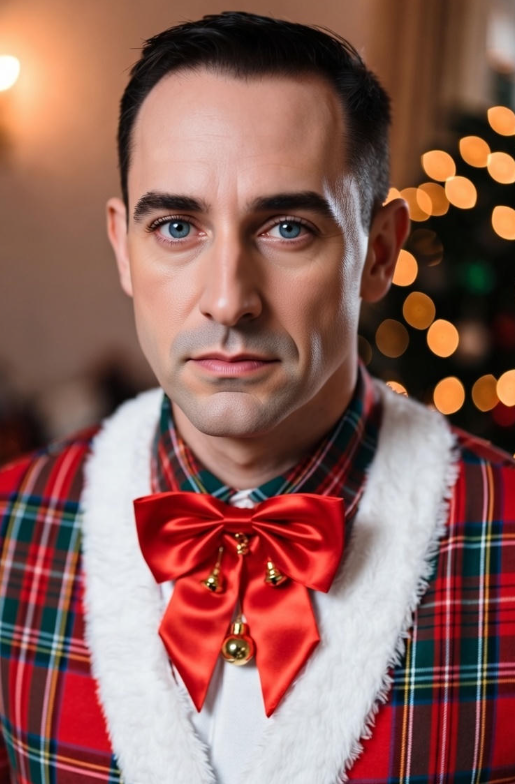 The holiday season is supposed to be a time of warmth, tradition, and togetherness. For many people, November and December bring festive family gatherings, work parties, cozy dinners, twinkling lights, and yearly rituals that feel almost sacred. But for heterosexual men who crossdress—whether privately, occasionally, or as an essential expression of self—the holidays can also bring a unique set of emotional challenges that few people ever see or even imagine.
This isn’t often talked about, not in mainstream media, not around dinner tables, and not in the cheerful swirl of seasonal celebration. Yet every year, countless men enter this season with a quiet internal struggle: the desire to express a feminine side that brings them joy and peace, weighed against the expectations of family, tradition, and the rigid roles reserved for men during the holidays. That tension can be exhausting, even heartbreaking, and it amplifies in ways that don’t surface at other times of the year.
Holidays can feel so emotionally complex for crossdressers, and this season highlights issues of identity, privacy, and longing, and why the pressure to perform a socially acceptable version of masculinity often becomes heavier as the world around them celebrates.
The Holiday Season and the Weight of Tradition
December is not just a month; it is a cultural performance. Families follow traditions that have existed for decades, sometimes generations. People slip into familiar roles as easily as slipping into a winter coat. This predictability brings comfort, but it also reinforces expectations. And for a heterosexual man who crossdresses, these expectations can feel especially restrictive.
Family gatherings often come with an unspoken script: dress a certain way, behave a certain way, and present yourself in a manner that aligns with the identity everyone thinks they know. Many crossdressers find themselves surrounded by relatives who see them only through an old lens—perhaps the athletic son, the quiet brother, the dependable uncle. These roles are often masculine in a very conventional sense, and the holidays amplify them. Someone may ask you to carry a heavy box, carve the turkey, open a stubborn jar, or put up outdoor lights. Even playful banter tends to reinforce traditional masculinity.
But if you have a feminine side that feels very real to you, the contrast between who you are inside and who you’re expected to be on the outside becomes sharper than ever during the holidays. It’s one of the few times in the year when your authentic self might feel not just hidden but deliberately set aside so you can fit a role that others assume is effortless for you.
Tradition can be beautiful, of course. It brings people together and anchors families in connection. But for crossdressers, it can also act as a subtle but powerful reminder that not every part of them is welcome in every room. The season that encourages people to be sentimental and nostalgic also locks them into older versions of themselves, versions that may no longer reflect who they’ve grown into.
The Quiet Grief of Lost Expression
One of the most underappreciated challenges for heterosexual crossdressers during the holiday season is the simple but overwhelming lack of opportunity. During the rest of the year, you might dress whenever you have the house to yourself, or whenever schedules line up just right. Maybe you unwind after work with a little makeup practice or slip into something feminine during weekend downtime. But once December arrives, the entire rhythm changes.
Homes become crowded with family members staying for extended visits. Guest rooms fill up. Siblings return from out of state. Partners take vacation days. Kids are home from school. Even quiet evenings become rare. Suddenly, every moment feels supervised or accounted for, and the privacy required for dressing simply evaporates.
This loss of expression is not trivial. For many crossdressers, feminine presentation is a form of emotional regulation—it brings calm, comfort, confidence, or connection. When that outlet is removed, a kind of emotional restlessness can take its place. Some describe feeling unusually tense or irritable. Others experience a sense of distance from themselves, as if something essential has been muted.
It is similar to missing a routine that helps you feel grounded, but deeper, because it’s connected to identity—not just habit. While families celebrate, decorate cookies, and exchange gifts, a crossdresser may quietly experience something that feels almost like mourning. It’s the ache of wanting to express a part of yourself that makes you feel whole, but knowing that December allows almost no room for it.
That internal ache is rarely visible. While the world around you moves through cheerful traditions, you may feel increasingly aware that you cannot access the part of yourself that feels most genuine and alive.
Holiday Social Events: Joyful but Emotionally Fraught
Office parties, neighborhood gatherings, New Year’s events—these should be fun, festive occasions. But for many crossdressers, they carry a unique emotional complexity.
The holiday season is when women often dress their most glamorously: shiny dresses, shimmering stockings, heels, jewelry, beautifully applied makeup, intricate hairstyles. Everything is bold, playful, expressive. Femininity is celebrated in a way it isn’t at any other time of year.
For someone who crossdresses, this can be thrilling to witness but painful in equal measure. You may admire the way someone’s velvet dress catches the light or how a pair of heels transforms their posture. You might find yourself paying attention to eyeshadow palettes, jewelry pairings, or festive manicures. But with every moment of admiration comes the quiet reminder that you cannot participate, not openly and not tonight.
This creates a confusing emotional mix—joy to see beauty expressed so freely, longing to join in, sadness that you cannot, and even guilt for feeling that longing in the first place. Many crossdressers describe holiday parties as emotionally loaded experiences where their feminine side feels both incredibly present and forcibly invisible.
Even holiday photos can deepen this tension. You show up dressed in the masculinity expected of you—perhaps in a button-down shirt, a blazer, or an ugly sweater chosen for the sake of tradition. When these photos later circulate in family group chats or appear in frames around the house, they become snapshots of a version of yourself that isn’t the whole truth. The feminine part stays behind the camera, unseen, unacknowledged, even as she remains a very real part of who you are.
Shopping Season: Temptation, Fear, and Frustration
You might think the holidays would be a wonderful time for a crossdresser—stores full of sequined dresses, makeup gift sets, hosiery displays, and beautiful winter fashion. And while some find this season inspiring, many crossdressers actually experience a heightened sense of fear and frustration.
Shopping in person during December becomes a minefield. Stores are crowded with coworkers, neighbors, extended family friends, and people from your community. Browsing the women’s aisles suddenly feels risky. You may worry about being recognized holding a dress or examining a makeup palette. Even just walking past the lingerie section can feel like you’re under scrutiny, though most people wouldn’t give it a second thought.
Even buying gifts becomes emotionally charged. When choosing a perfume, lipstick shade, or cute sweater for your wife, girlfriend, or sister, you may feel a pang of longing—because somewhere inside, you’d love to try those scents, those colors, those fabrics yourself. It’s not jealousy of the person receiving the gift; it’s the feeling of brushing up against something meaningful that you can’t claim publicly.
Online shopping doesn’t necessarily fix things either. Packages arrive on shared porches. Families are home to see deliveries. Financial statements get reviewed more closely during gift-giving season. The privacy needed to shop for yourself shrinks just as the desire to shop grows stronger.
The result is a frustrating emotional bind: surrounded by items that resonate with you, but feeling unable to safely reach for them.
Partnerships and the Pressure of Togetherness
For heterosexual crossdressers in romantic relationships, the holiday season brings its own set of complexities. Even in loving partnerships, December can strain communication, privacy, and emotional balance.
Partners may spend more time together due to vacation days or holiday traditions. Children or relatives might be home constantly. Couples might travel to visit extended family. All of this reduces the breathing room that some crossdressers rely on to express their feminine selves.
Many crossdressers talk about how difficult it is to feel feminine when there is absolutely no opportunity to embody that femininity. This can sometimes affect mood, confidence, and even intimacy. When someone feels disconnected from a part of themselves that provides emotional grounding, it can make them feel slightly “off,” which partners may sense without understanding why.
Then there’s the emotional negotiation around when or whether to talk about crossdressing with a partner. For some, the holidays create the urge to share more honestly in the New Year. For others, the season’s emotional intensity leads them to suppress the topic entirely to avoid conflict. The fear of being misunderstood or judged feels heavier when families are involved or when expectations of togetherness and cheerfulness hang in the air.
Even in supportive relationships, the balance becomes tricky, not because of a lack of love, but because the holidays demand structure, tradition, and time together in ways that limit opportunities for personal expression.
Being Single During the Holidays as a Crossdresser
On the other side of the spectrum, single crossdressers face a different kind of emotional challenge. While partnered crossdressers may struggle with privacy and balance, single crossdressers often face heightened loneliness during the holidays.
The season highlights relationships—couples exchanging thoughtful gifts, families taking matching pajama photos, partners attending events arm-in-arm. For a man who crossdresses, especially privately, it can amplify the longing for a partner who understands, supports, and even celebrates this part of them.
Many single crossdressers dream of a partner who would get excited about picking out outfits together, experimenting with makeup, or sharing feminine energy during special evenings. When that desire meets the reality of being alone during the holidays, the contrast can be painful.
Online communities help, of course. They offer safe spaces where crossdressers can talk openly, share photos, or express emotions they hide in their everyday lives. But these spaces can also deepen longing at times. Seeing couples where one partner does their husband’s makeup or helps them pick a holiday dress can stir up envy—not anger toward the couple, but sadness that you don’t have someone who sees the whole you.
December, with all its sparkle, can cast a deeper shadow for those who want to be seen and loved as their full selves.
The Emotional Labor of Secrecy
Perhaps the heaviest burden crossdressers carry during the holiday season is the sheer effort of maintaining secrecy. Even those who are comfortable with their identity may find December exhausting.
Family gatherings require constant emotional vigilance—monitoring your behavior, avoiding slip-ups, dressing in clothes that don’t feel like “you,” and participating in traditions that reinforce masculinity. If you have shaved body hair, keep your nails shaped, or have feminine items packed away, you may worry about being discovered.
There’s also the emotional toll of being surrounded by people who love you but don’t know everything about you. It can feel strange, even surreal, to sit in a room full of relatives telling childhood stories and celebrating old memories while carrying a secret that has become part of your daily reality. It’s not that you want to hide; it’s that the world often demands you do.
Secrecy becomes a performance, and maintaining that performance during the most social month of the year can be profoundly tiring.
The Mirror Effect: Seeing Yourself and Not Seeing Yourself
Another subtle but powerful challenge of the holiday season is the constant presence of mirrors—store windows, party venues, fitting rooms, bathroom mirrors, holiday photos. Throughout December, people see themselves reflected everywhere.
For crossdressers, this can intensify the experience of dysphoria or emotional disconnect. When you go long stretches presenting only in masculine form because the season requires it, your reflection becomes a reminder of everything you’re not able to express.
You might notice the sharpness of your jaw, the broadness of your shoulders, the plainness of your clothing, and feel a pang of sadness—not because your masculine self is unwanted, but because your feminine self is missing. The part of you that feels soft, expressive, creative, beautiful, or simply at peace is not reflected in holiday photos or family snapshots.
And that absence can stay with you.
Finding Strength and Compassion Through the Season
Despite these challenges, many crossdressers find ways to navigate the season with grace and resilience. December can become a time of reflection, a reminder of how important your feminine side is to your emotional well-being, and a chance to understand yourself more deeply.
Some find comfort in tiny acts of self-expression that no one else notices—a scented lotion, a feminine bracelet tucked into a pocket, or a few minutes alone to moisturize or practice grooming. Others keep notes or journals about their feelings and desires, maintaining an emotional connection to their feminine identity even when they cannot express it outwardly.
Many crossdressers also plan a special day or weekend for themselves in January, a private “return to self” where they can dress freely again. Looking forward to that moment often helps ease the tension of December.
Above all, the most powerful tool is self-compassion. Recognizing that your feelings are valid, that your feminine identity is meaningful, and that your struggle is real helps soften the emotional edges of the holiday season. You are not failing by having complex feelings. You are simply trying to honor who you are in a world that doesn’t always make room for that truth.
Moving Into January With Hope
As the decorations come down and life returns to its usual rhythm, many crossdressers feel a sense of relief. The pressure lifts. Privacy returns. Routines reestablish themselves. And the feminine side—whether she appears occasionally or often—can breathe again.
The holidays may present difficulties, but they also illuminate clarity: the realization that your identity, your expression, and your feminine self are important. They deserve care and intention. They deserve time. They deserve space.
If the holiday season leaves you feeling stretched, hidden, or emotionally tired, you are far from alone. Crossdressers across the world experience these same quiet struggles every December. But they also share your resilience, your creativity, your longing for authenticity, and your ability to carry complexity with strength.
And when the season ends, your feminine self will still be there—waiting, patient, beautiful, and ready to step back into the light.
Comments
Holiday Season Challenges for Heterosexual Crossdressers: Between Celebration and Secrecy — No Comments
HTML tags allowed in your comment: <a href="" title=""> <abbr title=""> <acronym title=""> <b> <blockquote cite=""> <cite> <code> <del datetime=""> <em> <i> <q cite=""> <s> <strike> <strong>